
Hybrid working teams are more efficient in daily operations but build informal trust less quickly. That trust is precisely what is needed at the moments that matter: a difficult decision, a point of tension, a change in strategy. An off-site session outside the office compensates for what hybrid working does not structurally deliver automatically — at least twice a year for teams that meet for less than two days a week.
Hybrid working works. Teams plan more tightly, travel less, and have more autonomy. Those are real benefits.
However, hybrid working also has a structural downside that few organizations consciously address. And that downside becomes visible precisely at the moments that matter most.
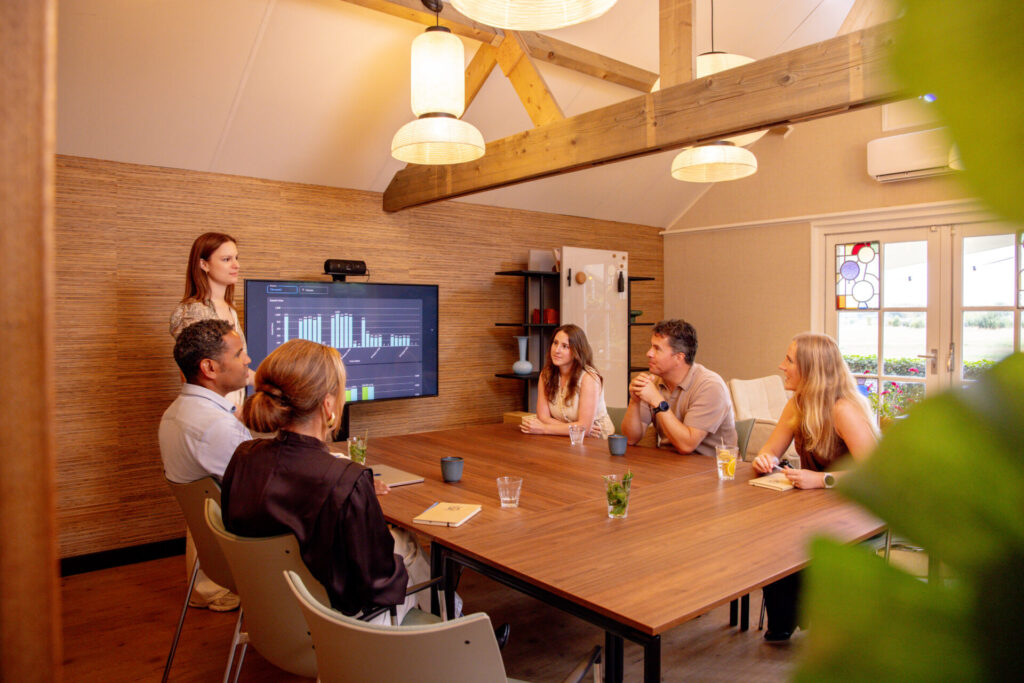
What hybrid working does to a team
Hybrid teams are good at the things you can plan. Meetings, deliverables, status updates — that works fine remotely.
But they are worse at the things that aren't planned. Casual conversations. Informal coordination. The feeling that you know how someone is really doing in the game — not just what they say on a Teams call, but what they think when the camera is off.
Those are exactly the things needed when it comes down to it. A difficult decision where not everyone wants to move in the same direction. A point of tension that hasn't been voiced for months. A change in strategy that requires support. At such moments, you need a connection that you don't build in three months of video conferencing.
“In one day out and about, you learn more about how someone really thinks than in ten Teams calls.”
Why an extra meeting won't solve this
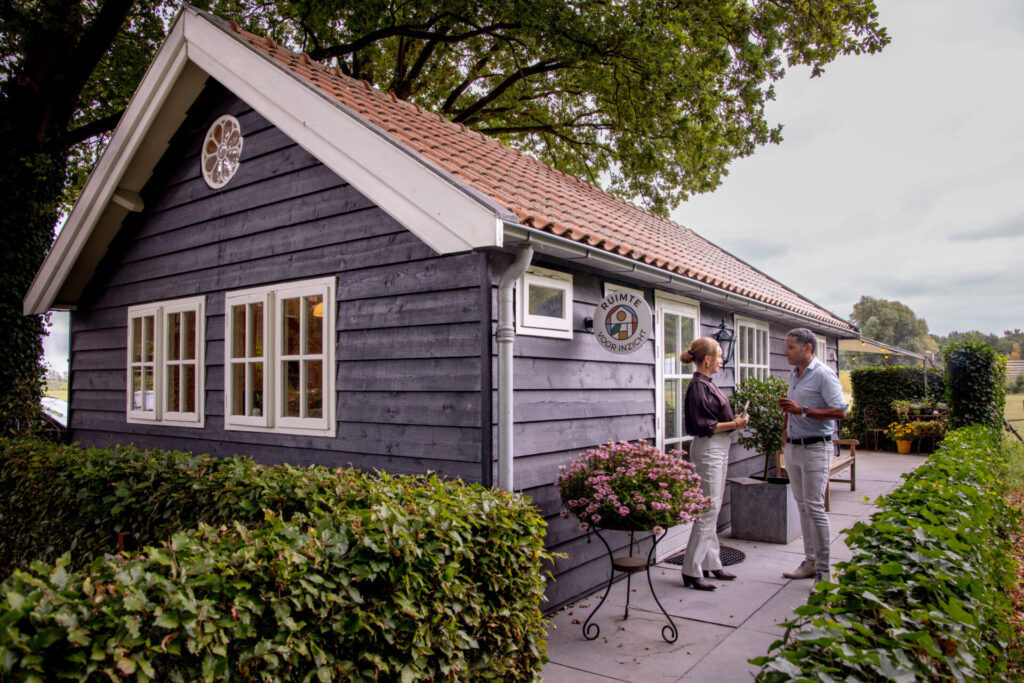
The obvious solution is to schedule more moments when the team is physically together. A day at the office, an extra meeting, a team lunch.
The problem: the usual triggers remain present in the office. Colleagues walk by. Emails come in. Everyone has fifteen other things to do after the meeting. The context does not change — and context determines behavior.
The dialogue that hybrid teams miss does not take place in a meeting room. It takes place when people are actually together in an environment that does not demand their attention. Outside the office. Without the daily grind. With enough space to be honest.
Three things an offsite session actually delivers
How often is enough?
There is no universal answer. But there is a workable guideline: teams that are together in the office for less than two days a week benefit from at least two offsites per year.
Session 1 — strategic: A full day focused on direction, decisions, and priorities. This is the strategy day that delivers results.
Session 2 — reflection or connection: A lighter day halfway through the year. No heavy agenda, but presence. Space for what is going on, not just what is scheduled.
Two days a year is not much. But it is the minimum to maintain the informal capital that hybrid working structurally erodes.
Why location choice carries more weight for hybrid teams
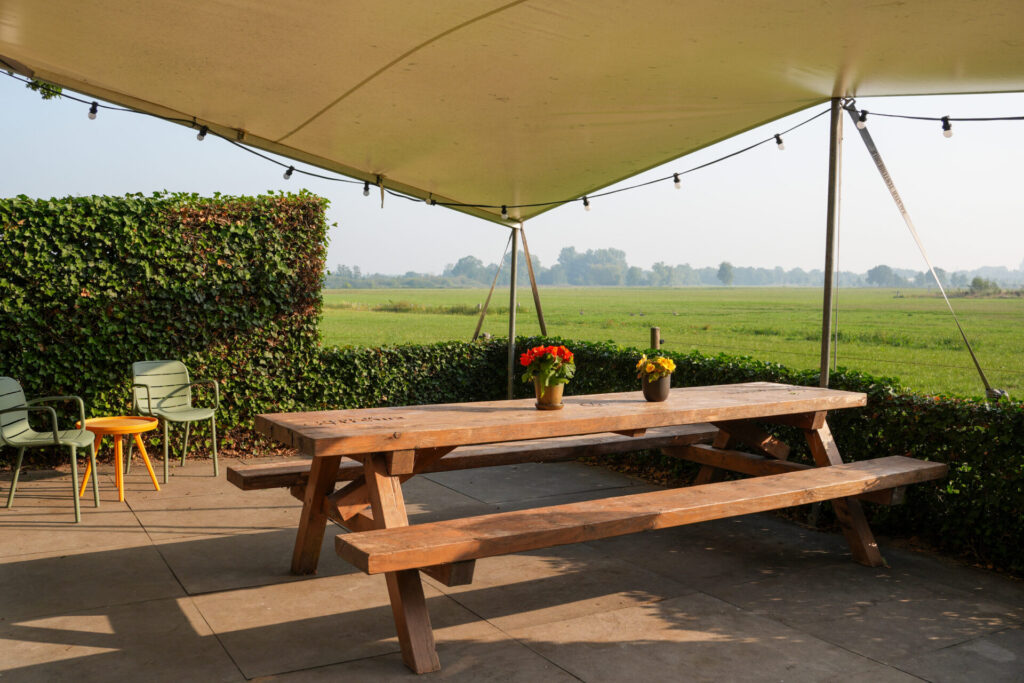
For a team that works together daily in the office, an offsite meeting is a supplement. For a hybrid team, it is one of the few moments when everyone is fully present in the same room. That makes the choice of that space proportionally more important.
A location that resembles an office—a neutral meeting room, a business atmosphere, other groups in the building—takes away the very effect you need. The context does not change enough. People behave as they always do.
A location that is truly different, in the middle of nature, completely private, without the usual triggers — that is the environment that facilitates the conversation that doesn't work at the office. View the location and the environment of Space for Insight.
Hybrid working is not a problem you solve. It is a context that you must consciously complement. A good offsite session is not an extra in this regard — it is the counterweight.


